This one is for the dog lovers who have lost their best friend, or know it is coming

IT’S DIFFICULT to remember a time before Willow came into my life. Now it is near impossible to imagine how the days ahead will be without her.
What is easy – painfully easy – is to calibrate how deeply, comprehensively and positively that wee ginger dug influenced, coloured and improved every aspect of my life. Every aspect.
Right now I am crushed by a grief beyond anything I expected or braced for. Afterall, I knew I would be ready for Willow’s death, that I’d be the “strong one” in the family. I’d been preparing for months to say a final goodbye to my best friend. But what I thought I knew was totally rewritten at 1.22pm on the mild, damp Saturday of April 29.
When a softly-voiced vet told me “she’s gone” those simple words cut the strings holding me up. I found myself on my knees, wracked with sobs. At another time I’d be embarrassed by this. Not now. The sense of loss and grief is profound and I’m done trying to mitigate it by pointlessly measuring it against the loss of a parent, a life partner, a sibling or, god forbid, a child.
Yes, there are exactly such tragedies playing out in big and small ways every day and the loss of a pet dog, however beloved, has to takes its place near the bottom of what is bigger picture important.
Even the epic sweep of history-making tragedies like those in Ukraine or Sudan doesn’t lessen the cold grip of grief for me and my family. A deep, raw, sense of loss isn’t diminished because it is confined just to my small household, nor should it be compared to that taking place in another. Heartbreak doesn’t ease out of respect for manmade boundaries, whether physical, moral or cultural. Anguish won’t uncurl from around my heart and my lungs because its source is a “first world problem”.
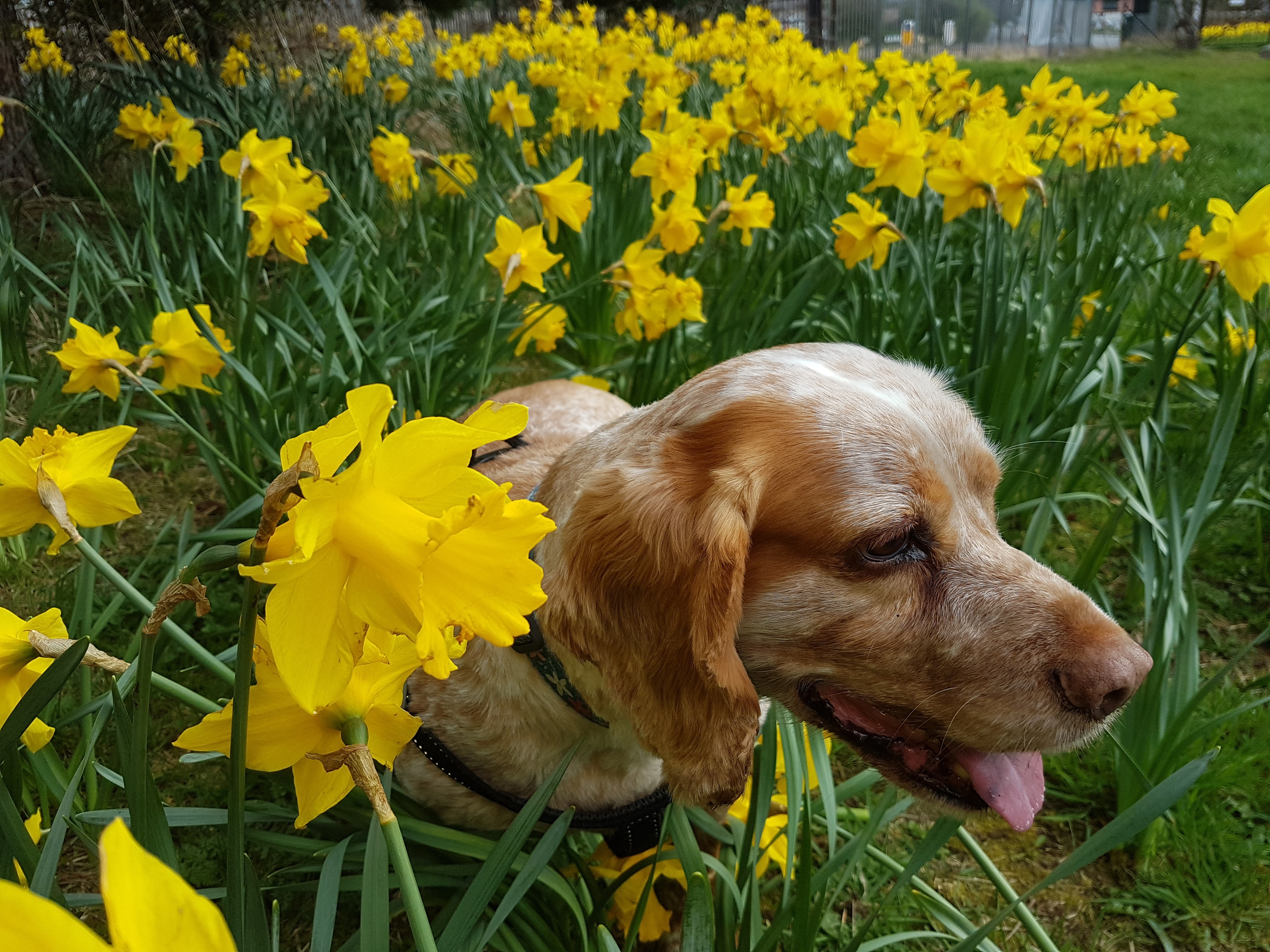
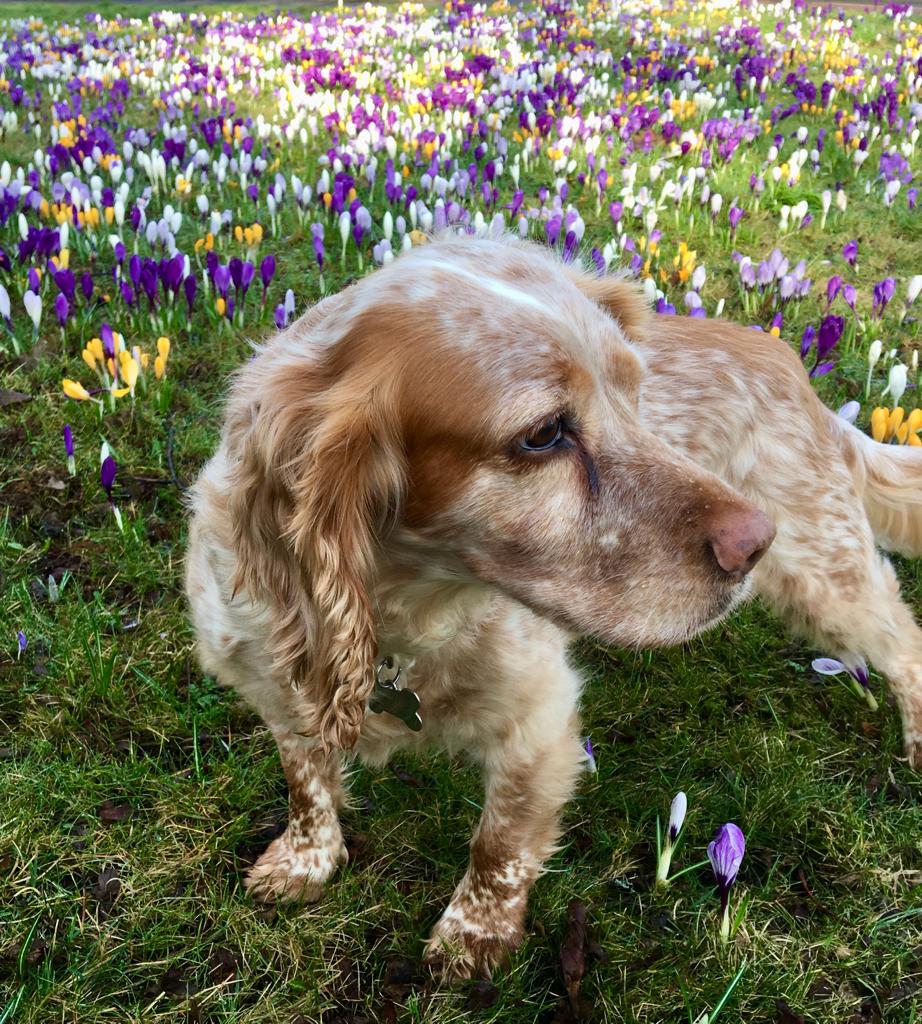
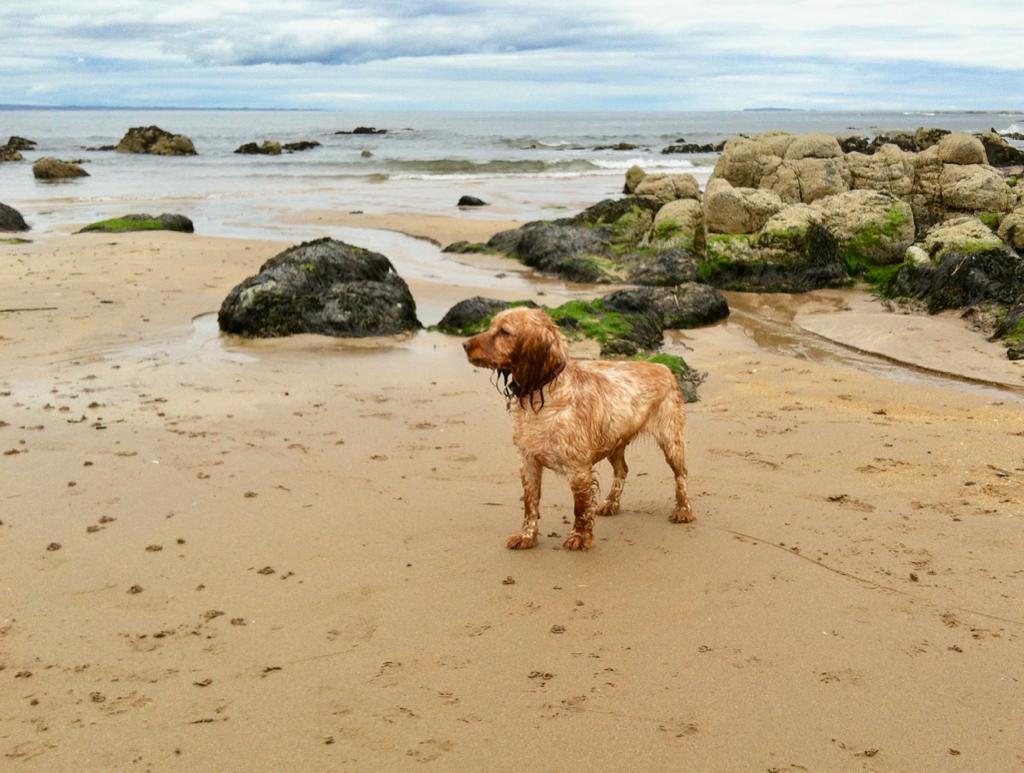
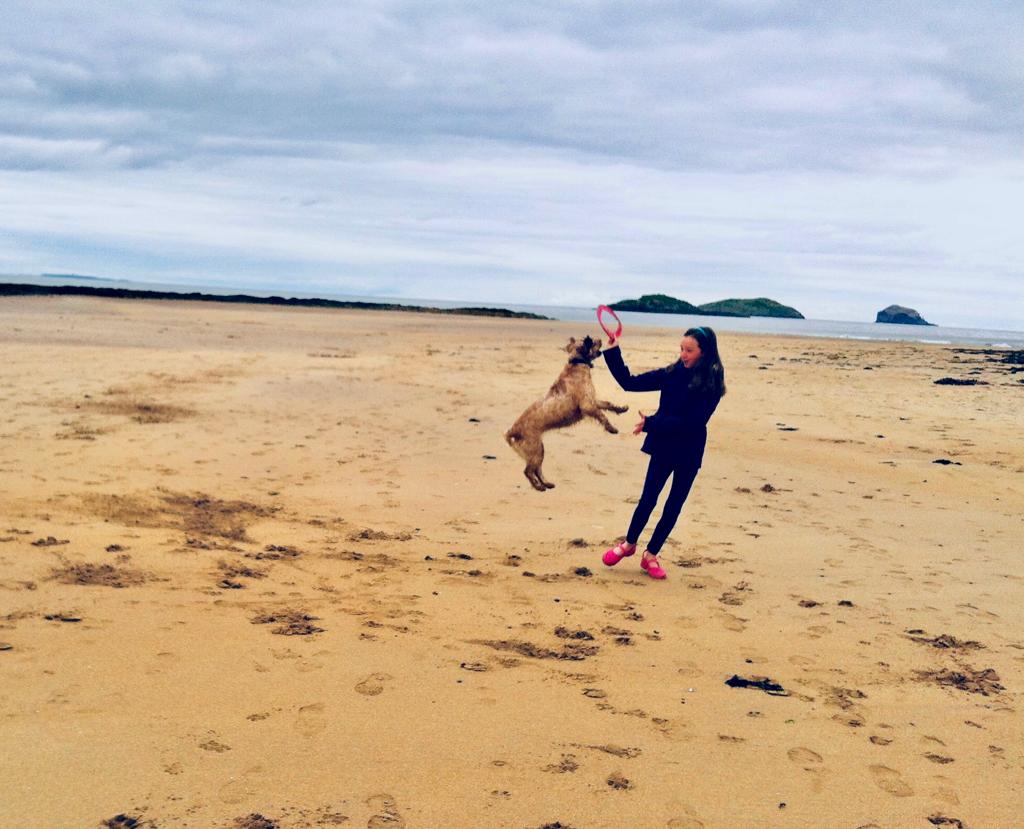
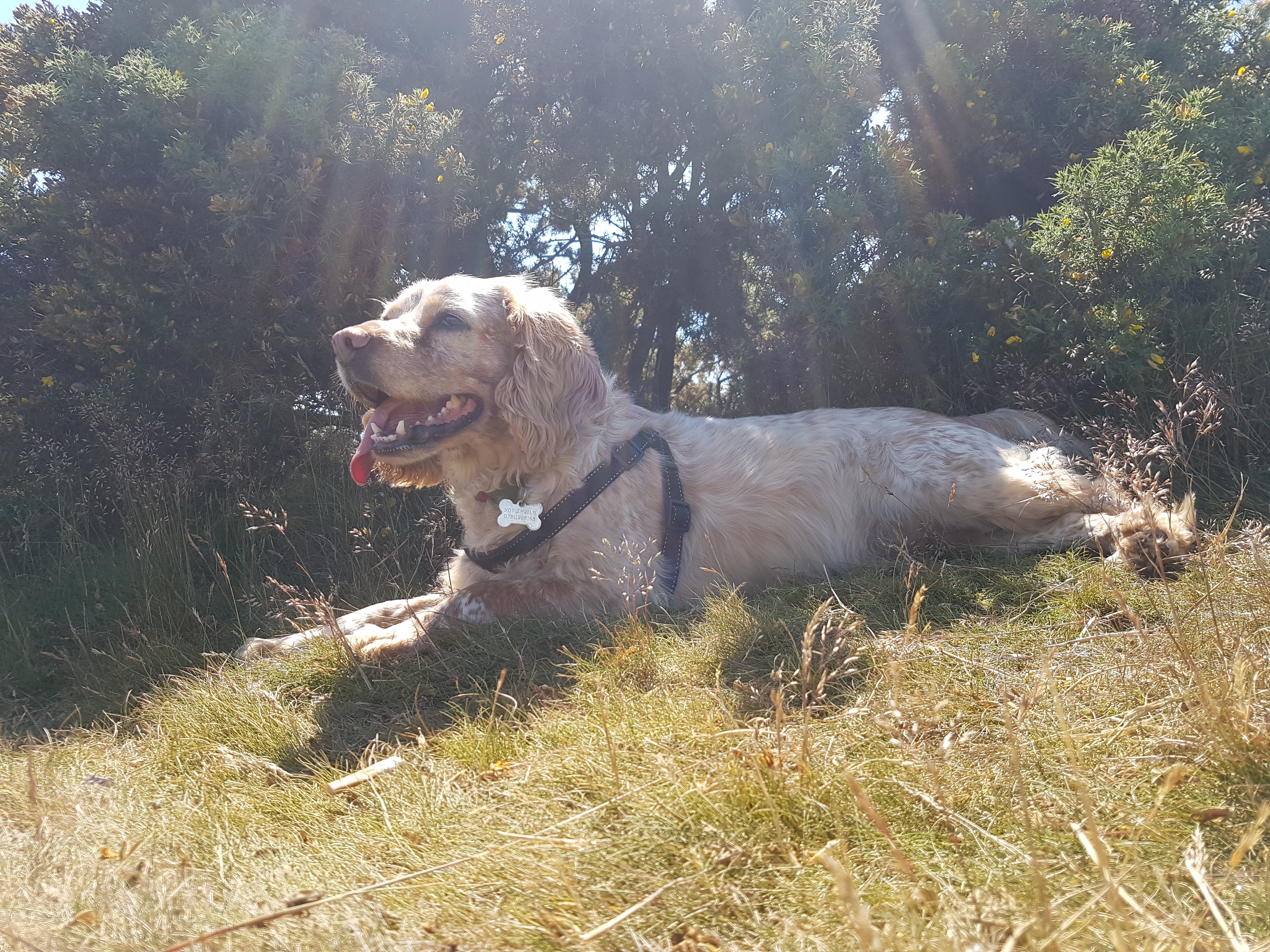
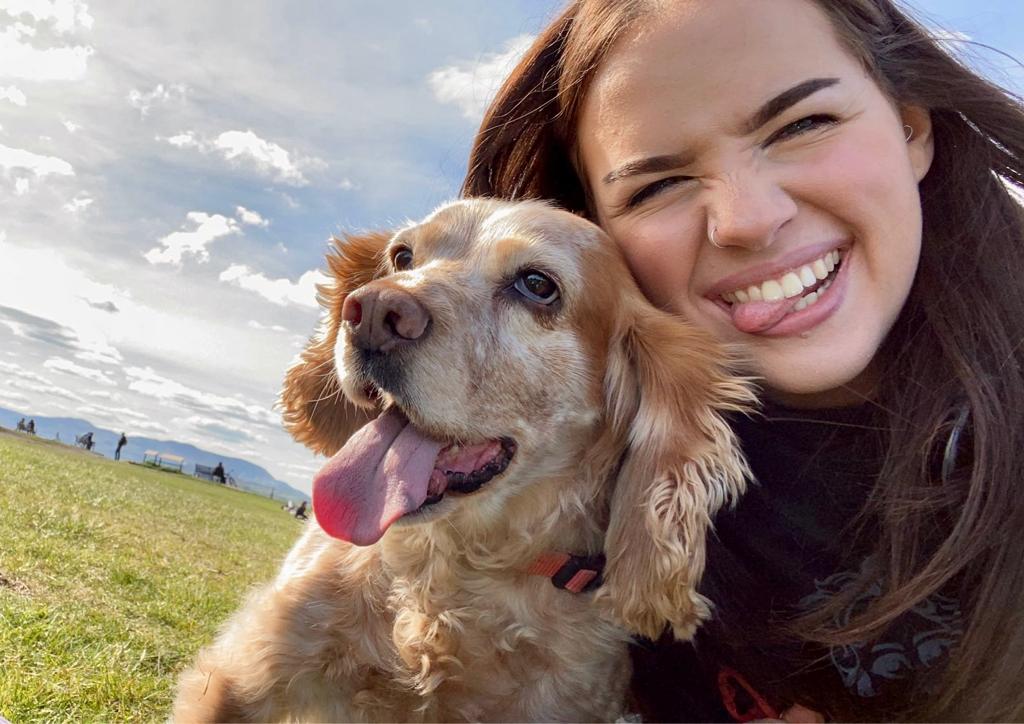
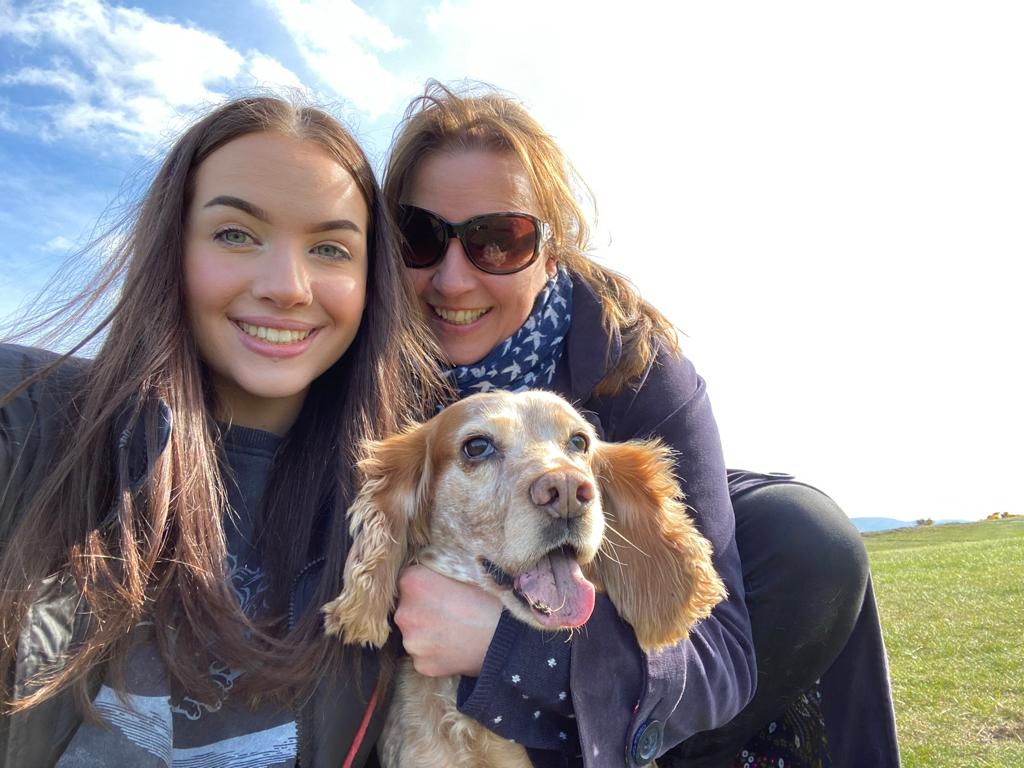
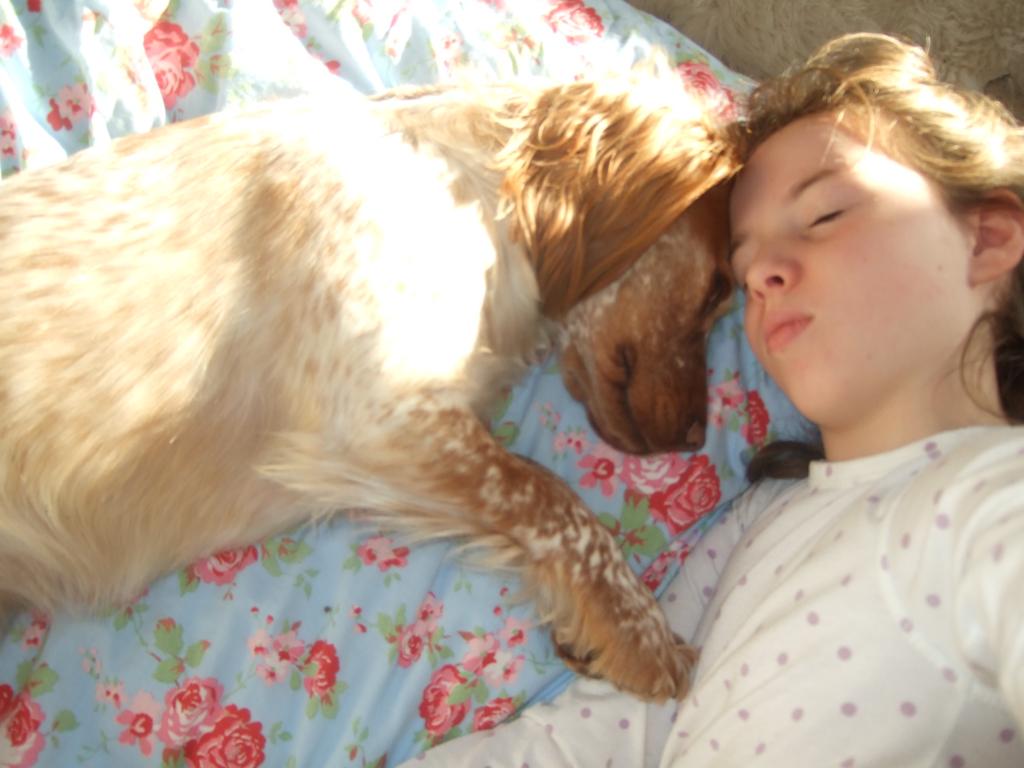
Self-awareness is a painful yoke at a time like this. It actually adds to the pain and the burden in understanding and accepting that many people consider grief over the death of a pet as unimportant, incomprehensible or even faintly ludicrous. However, my family shared a bond and a connection with Willow for more than 13 years and each of us has just lost a member of our family. It hurts like hell.
Comfort has come in the messages from likeminded people, those who have shared a similar bond with a pet and who have felt the acute, inconsolable sense of sorrow that comes when their short lives end. Thanks to everyone who sent those messages. All of them registered. All of them helped.
Why the pain is so profound is no mystery. From the day Willow arrived in our home, a tiny, snout faced, wobbling bundle of cream, she was a source of joy. Firstly, an unbridled happiness for my then seven-year-old daughter, an only child whose sole dream for the preceding two years was to own a dog of her own.

In the weeks before Christmas she’d been to visit a litter of tiny, working cocker puppies and even been allowed to pick them up. She thought each visit was an unparalleled treat, never suspecting that the sole, pale-coloured puppy would soon be coming home with her.
On Christmas Day she was thrilled to open a series of dog-related items – a dog bed, a bowl, a collar. Her childish delight was not even remotely dimmed by her expectation that these were transient gifts that she would soon be passing on to the dog whose puppies she’d been privileged to visit.
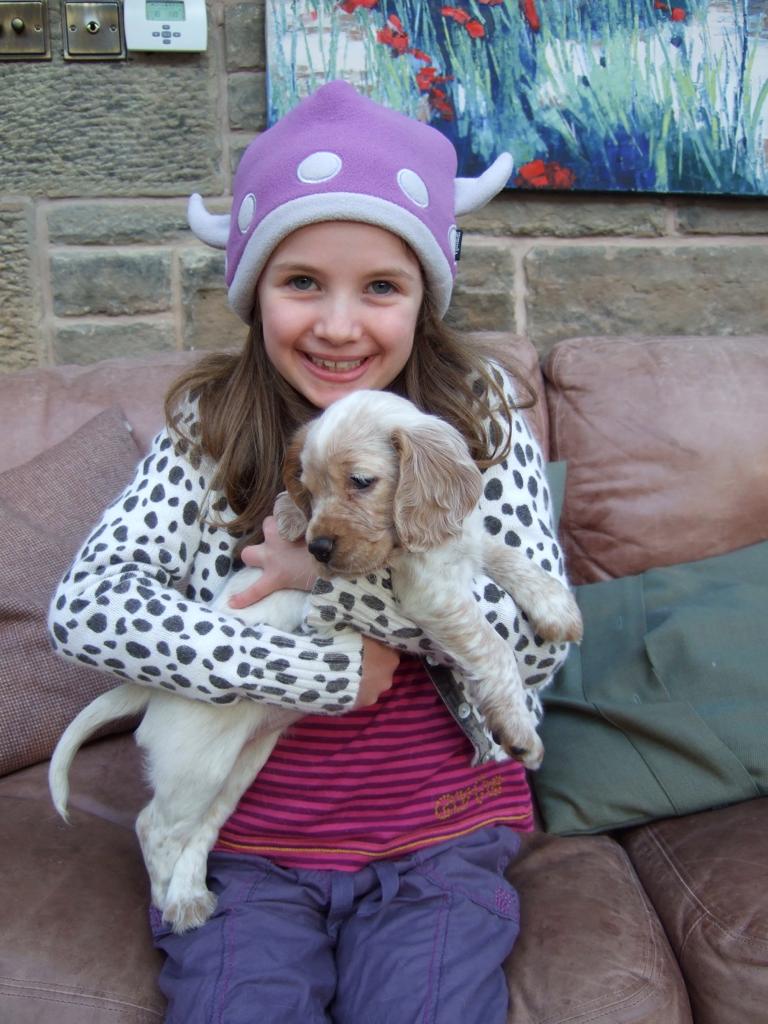
When we calmly explained the truth – that one of the puppies would be coming to join our family – she ran from the room in floods of tears. The joy she felt was, quite simply, uncontainable. Fast forward 13 years and that young woman, closing in on her 21st birthday, is now feeling a well of misery entirely equal to and commensurate with that initial, uncontrollable, explosion of happiness.
My sense is that she is dealing with much more than just the loss of a beloved pet. It’s a bruising coming of age that has her grieving (even if she doesn’t fully realise it) for the end of her childhood; an end to the innocence of youth and a and brutal manhandling into adulthood.
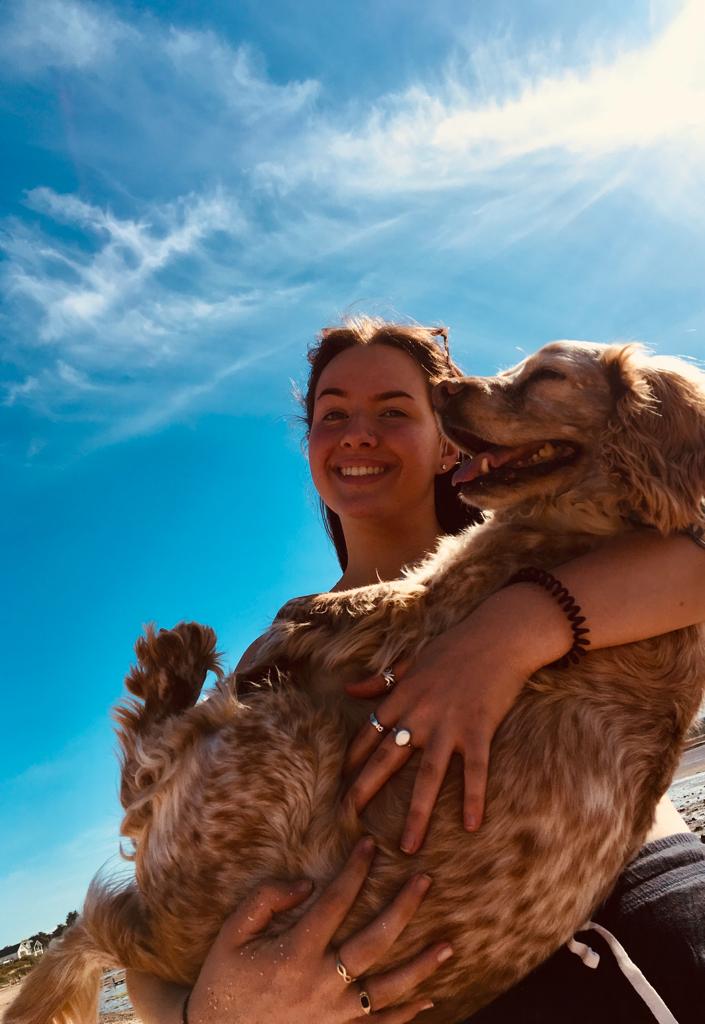
It’s a similar story for my other half, who spent more time with Willow than any of us – feeding, grooming, managing daily walks, administering worming tablets or medicines when needed. From the first puppy parties to the grim, final trip to the vet, she took care of all the minutiae of dog ownership – dealing with dog walkers, washing bedding, tidying away toys, keeping dog food stocked, sorting pet insurance, arranging regular vet check -ups.

Willow was her constant companion – and the silent, deep-eyed and loving partner who helped her navigate her own series of life hurdles. It was Willow by her side while she coped with being primary caregiver for both of her elderly parents, who lived with us. It was Willow who was with her every minute, morning, noon and night, when her parents died.
Most telling of all, it was Willow who filled the huge void – every mother’s dread – when our daughter moved out. The empty nest that threatened to overwhelm was actually manageable because our beautiful Willow still filled the space and was only too ready to soak up all the love looking for an outlet.
However, there’s no equivalent to Willow now that it has come to mourning the loss of our dog. The house echoes emptily where the sound of her padding paws on floorboard were once a constant. The very absence of her once comforting presence is a vindictive nip that only worsens the feeling of loss; that lengthens the time it is likely to take to come to terms with her passing.
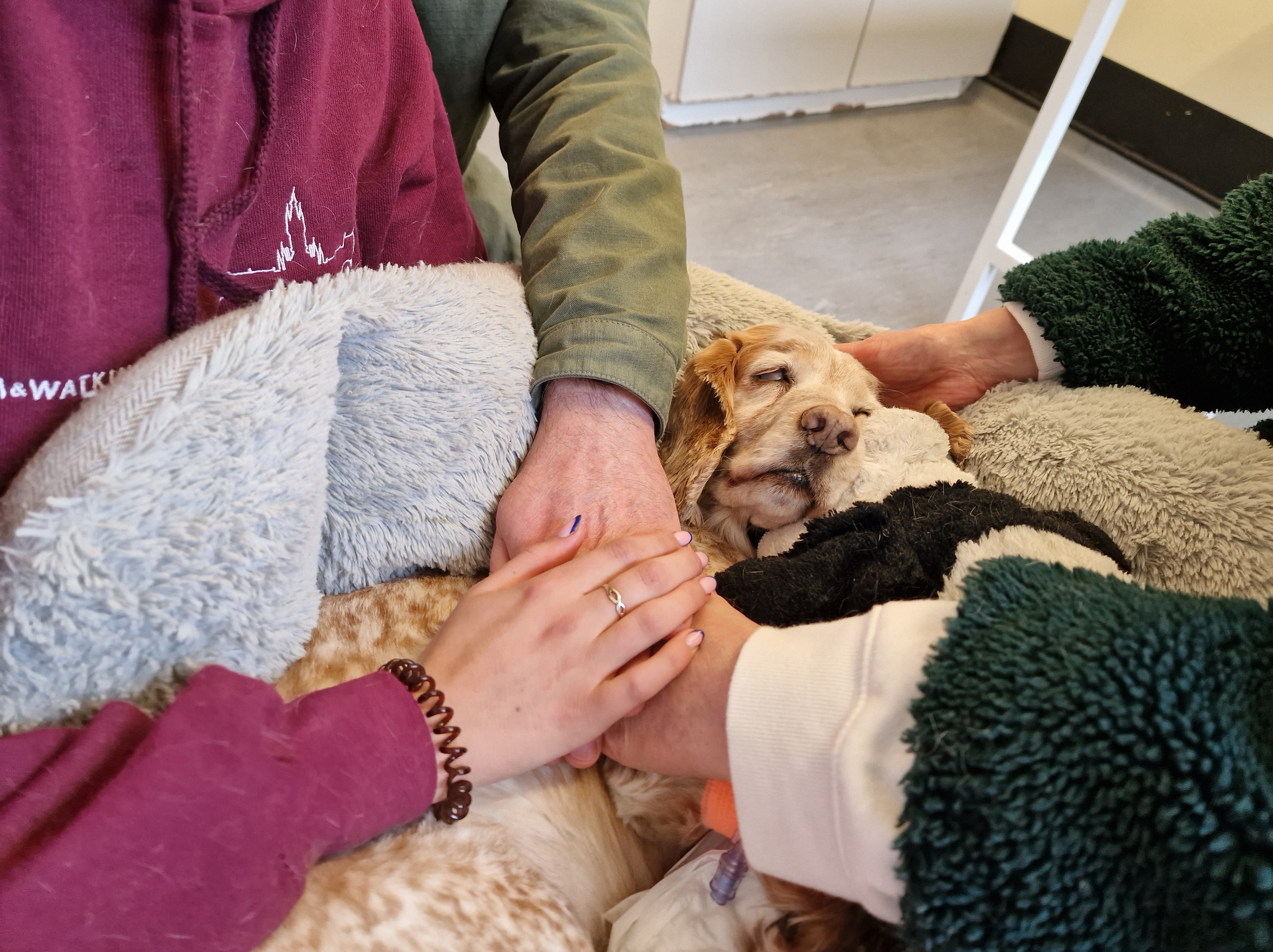
For all of us it doesn’t matter how much we loved the dog; how often we tell each other that Willow was blessed with a wonderful life or that she enjoyed every minute of her allotted span; that she left this mortal coil on a wave of love and murmured words of appreciation as all three of us stroked her gently, captured in the photo, below. All that we feel at the moment is the shock and pain of loss.
I’ve reflected – in fact marvelled – at just how much of a positive and transformative impact Willow had on me. At times it feels like mourning her is book-keeping exercise, where I tally up the debits and credits in the ledger of my life. Right now her death is the only, enormous debit – so I try hard to focus on the innumerable credits I can never properly thank her for.
My early protests about owning a dog included a complaint that it would be me who would end up walking her most of the time, at inconvenient hours and in all weathers. How right I was – just not in the way I expected. Walking the dog was no chore, it was a joy.
Within months I was looking for new routes to walk, finding parts of the city, especially its green spaces, that I’d not previously known. Those walks – often three hours or more – brought me new levels of mental well-being and physical fitness that I couldn’t previously have imagined.

Soon I realised the walking was not enough on its own to satisfy my newfound interest in healthier pursuits, so I thought about running our favoured route instead. It quickly transpired that my knees and hips weren’t up to it. All of which led directly to me signing up to a gym for the first time in my life. Now my gym routines are an essential part of my life and my working week. I hope never to be without them. Thanks to Willow.
An interest in fitness led to a wholesale change in nutrition. Out went the microwave ready meals for a focus on cleaner eating. Later, when I decided to drop meat from my diet, the decisions was driven by the triple prongs of animal welfare, environmental damage and health benefits. But the primary driver was the realisation that the animal I loved was little different from those I was eating. I have absolutely no doubt that Willow felt and was moved by emotions like love, fear and jealousy. I believe the same is probably true for pigs, cows and sheep. I won’t eat their flesh again. Moral debates aside, changes in my diet have been a massive boon for my health. All thanks to Willow.
In terms of work, 2009 (when Willow arrived in our home) was a tough time for business. It was just one year on from the financial crash and still three years out from the point where it felt like the economy had finally recovered. The challenges often felt overwhelming.
As my weekends and days off were shaped round lengthy dog walks, my mental wellbeing improved immeasurably. That gave me the space and the bandwidth to stop kneejerking in my reaction to problems with colleagues, clients or cashflow. It made me more measured, more thoughtful and more reflective – all of which I believe have made me a more rounded businessman and a more considered and considerate employer. Thanks to Willow.

Accompanying Willow on those long walks led me to another new aspect of my life – the discovery of podcasts. Since then I’ve listened to thousands of hours while walking with my wee, ginger dug and developed a roster of favourites focused on PR, communications and technology.
It’s impossible to quantify how those endless hours lost in audio have informed and influenced my understanding of my chosen profession, illuminated my modest understanding of business management and taught me to think deeper and harder about what motivates those I work with.
The precious time with Willow and my earphones also prepared me for the sweep of tech changes transforming my sector. All of which means my own resilience as well as my ability to steer a business have improved dramatically. Thanks to Willow.
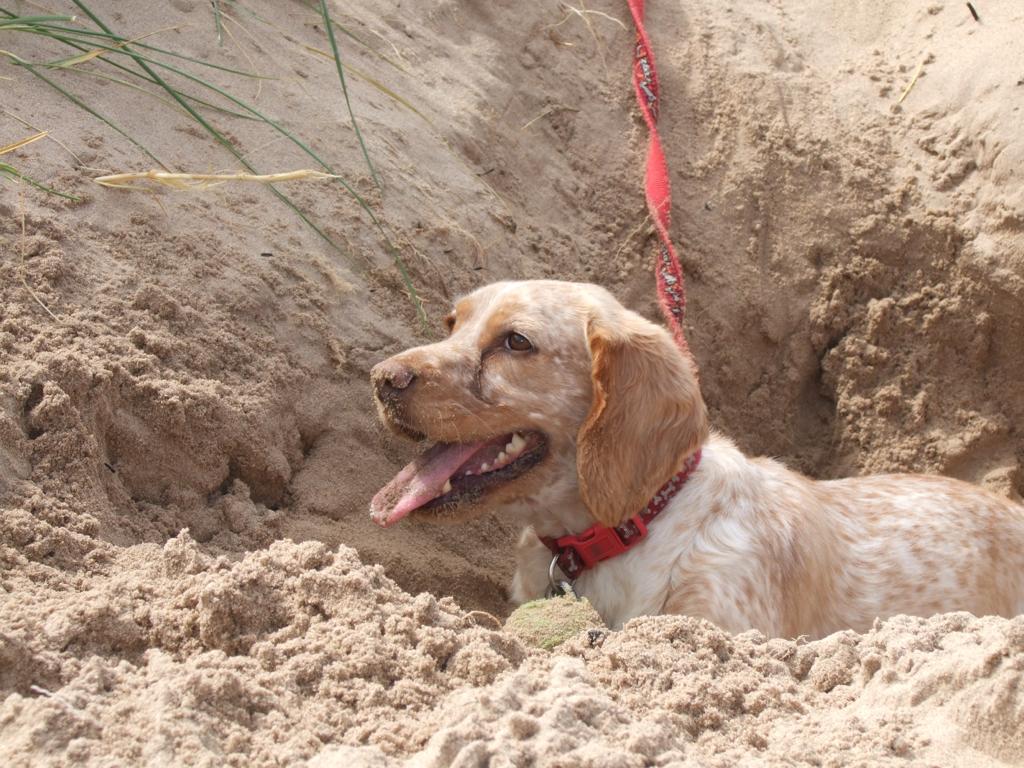
Ultimately your pet dog is part of your family. Owners immediately understand how family moments are immeasurably enriched by the interactions and presence of their pet. These constant connections – big and small – that accumulate without thought. The joy of throwing a ball for your pet; of watching Willow frenziedly digging at the beach; accepting a paw for a treat; or simply stroking her ears while watching TV. The tiny elements of everyday lift that accumulate into a deep, textured and meaningful relationship.
An obvious example for us was whenever we returned from holiday. Any sense of blues that accompanied touchdown back in dreich Edinburgh were always dispelled by the trip to Fife to collect Willow from kennels. Always a heart melting and totally uplifting experience. Indeed, coming home, even after the worst possible day, it was a privilege (one I took for granted) to be greeted by a delighted dog intent on sharing its unconditional and boundless love for me.
At a more extreme level, when one of life’s brickbats caused a painful fracture between me and my mum, our eventual reunion and the repair of our mother-son bond was forged over – yep, you’ve guessed it – long, reflective walks with Willow.
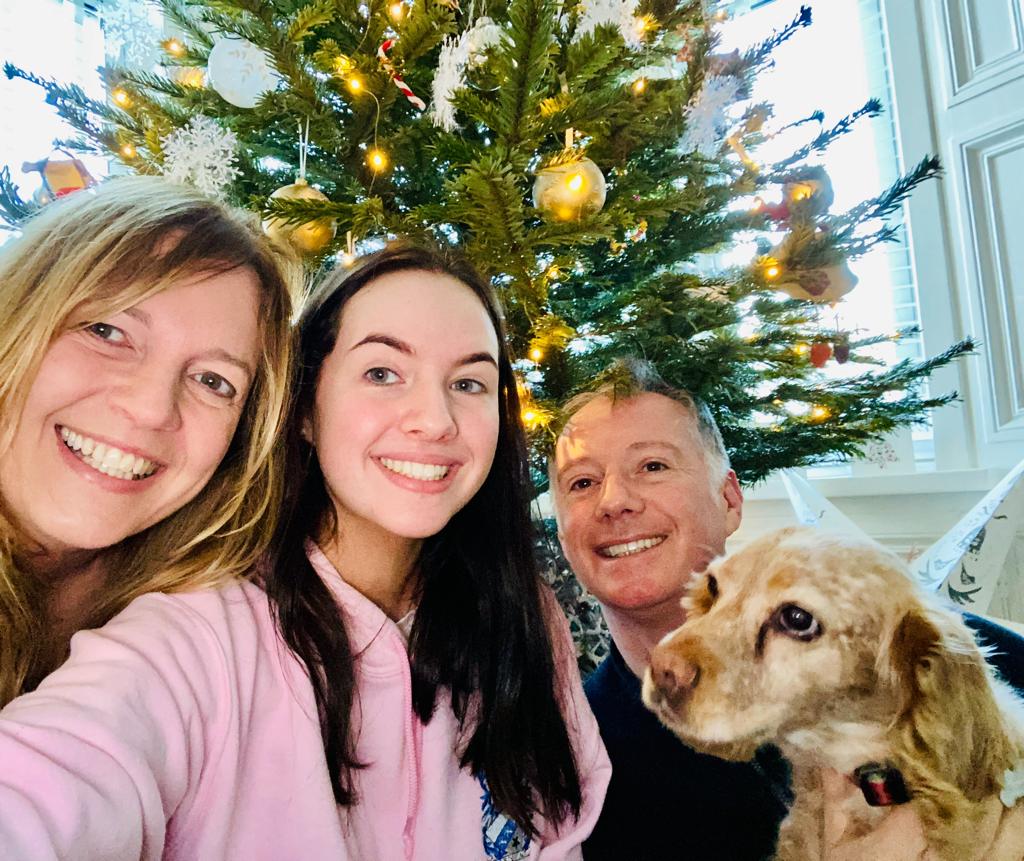
Even in her passing, Willow has left us an unexpected gift, as we have come together as a family to share our sadness, as well as bonding over stories and photos from the 13 and a half years we were lucky enough to spend with her. Our family is stronger – all thanks to Willow.
These are just some of the reasons we are grieving so hard. Our generous-hearted, loving, loyal friend gave us so much, so unstintingly and asked for nothing in return, except to be loved.
Willow, I hope we upheld our end of the bargain, because I can say, without fear of contradiction that we loved you – love you still – like you loved us. Unconditionally. Rest in peace my special friend.
 Better, faster, higher.




 Black and White and Read All Over